Common Skin Problems Caused by Lahore's Weather and Pollution
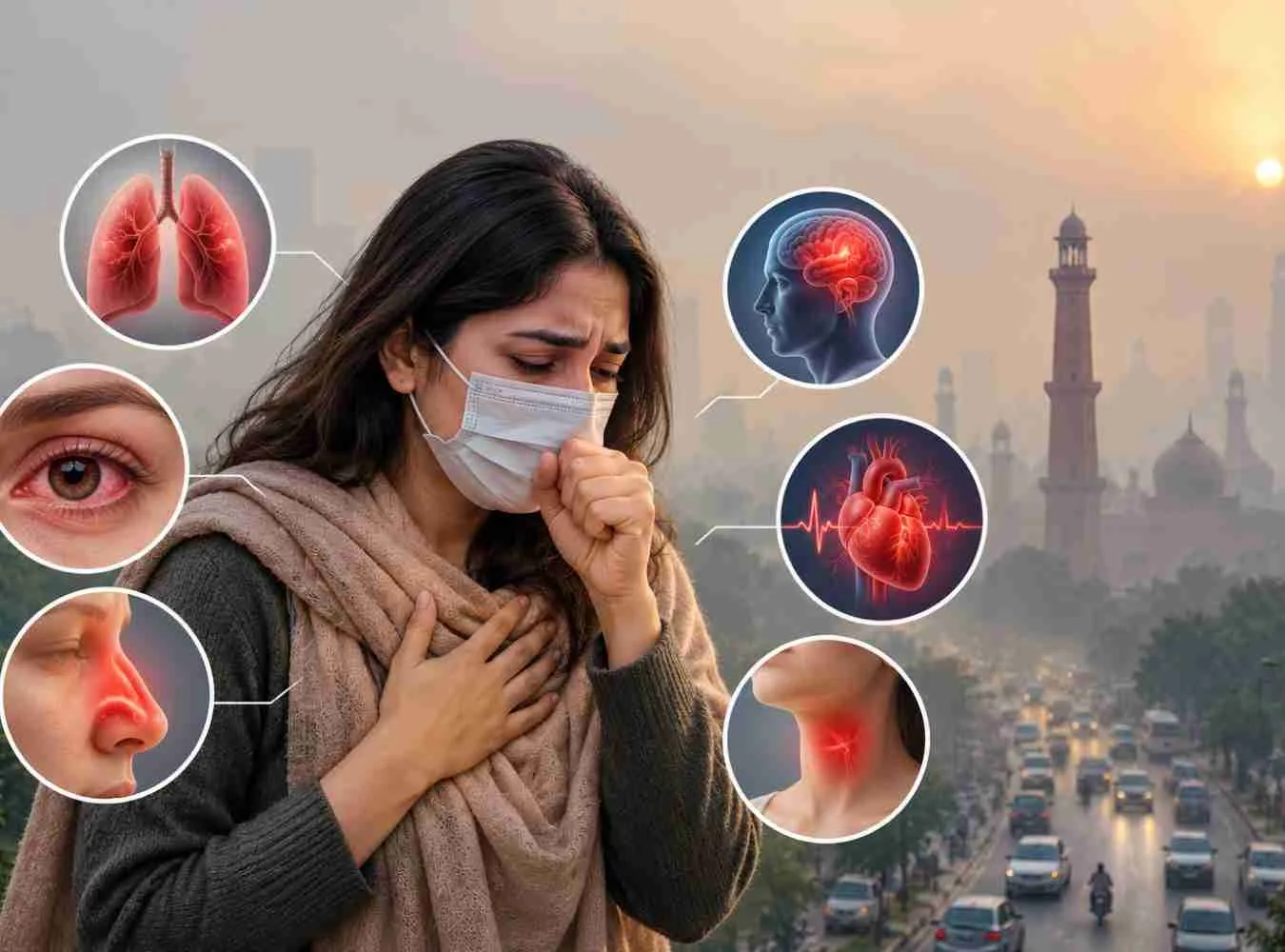
common skin problems lahore weather pollution,Lahore is a busy metropolitan city where people experience different weather conditions throughout the year. From extremely hot summers and dusty winds to humid monsoon seasons and cold winters, the city's changing climate can affect skin health in several ways. Along with seasonal changes, traffic pollution, construction dust, smoke, and environmental pollutants can also create challenges for maintaining healthy skin.
Many people in Lahore experience common skin concerns such as acne, excessive oiliness, dryness, pigmentation, clogged pores, irritation, and uneven skin texture. These problems can become more noticeable when the skin is regularly exposed to heat, sunlight, dust, and pollution without proper protection.
Although environmental factors do not affect everyone in the same way, they may contribute to existing skin problems or make certain conditions worse. Understanding these factors is important for choosing suitable skincare products and maintaining a consistent skincare routine.
At The Skin Care Studio Lahore, understanding different skin concerns is an important part of selecting appropriate skincare and aesthetic treatment options. This guide explains common skin problems associated with Lahore's weather and pollution, their possible causes, and practical ways to care for your skin.
Understanding Lahore's Weather and Its Effects on Skin
Lahore experiences significant seasonal variations. Summer temperatures can become extremely high, while winter brings colder and drier conditions. The monsoon season introduces humidity and rainfall, and dusty conditions can occur during different parts of the year.
Each season can affect the skin differently.
During summer, sweating and increased oil production may make the skin feel greasy. In winter, low humidity and cold winds can contribute to dryness and irritation. During humid weather, some individuals may experience more sweating, clogged pores, and acne breakouts.
Air pollution is another environmental concern. Dust, smoke, and fine airborne particles can settle on exposed skin. Research suggests that exposure to certain pollutants may contribute to oxidative stress, inflammation, and changes in the skin barrier.
This means that skincare routines should not remain exactly the same throughout the year. Products and habits may need to be adjusted according to seasonal conditions and individual skin requirements.
1. Acne and Frequent Breakouts
Acne is one of the most common skin concerns experienced by teenagers and adults in Lahore. It develops when hair follicles become blocked with oil and dead skin cells. Bacteria and inflammation can also contribute to the development of acne.
Hot weather may make acne management more difficult for some individuals. During summer, sweating and increased oil production can combine with dirt and skincare product residue. This may contribute to clogged pores and breakouts.
People who spend several hours outdoors, travel through traffic, or work in dusty environments may also find it difficult to keep their skin comfortable.
Common signs of acne include:
- Small red pimples.
- Whiteheads and blackheads.
- Inflamed or painful spots.
- Excess oil around the forehead, nose, and chin.
- Acne marks and uneven skin texture.
How to manage acne:
Start with a gentle cleansing routine. Washing your face twice daily can help remove excess oil, sweat, and accumulated dirt. Choose non-comedogenic moisturisers and sunscreen that are less likely to block pores.
Avoid squeezing pimples because this can increase inflammation and the risk of scarring. If acne is persistent, painful, or leaving marks, consult a qualified skin specialist for an appropriate treatment plan.
2. Excessively Oily Skin During Summer
Lahore's hot summer weather can make oily skin feel uncomfortable. High temperatures, sweating, and natural sebum production may cause the face to appear shiny throughout the day.
Sebum is the natural oil produced by sebaceous glands. It helps protect the skin, but excessive oil can contribute to clogged pores and acne in some people.
Oily skin commonly affects the forehead, nose, and chin. These areas may appear greasy only a few hours after cleansing.
People with combination skin may experience oiliness around the T-zone while their cheeks remain normal or dry.
Common signs of oily skin include:
- A shiny appearance.
- Enlarged-looking pores.
- Frequent blackheads.
- Makeup that does not stay in place.
- More noticeable acne breakouts.
How to manage oily skin:
Use a gentle cleanser designed for oily or combination skin. Avoid washing your face repeatedly because excessive cleansing can irritate the skin.
A lightweight, oil-free moisturiser can help maintain hydration without making the skin feel heavy. Choose a non-comedogenic sunscreen and avoid applying too many thick skincare products.
If excessive oiliness is accompanied by persistent acne, professional skin advice can help identify suitable treatment options.
3. Dry and Dehydrated Skin During Winter
Although Lahore is known for its hot summers, winter can also create several skin concerns. Cold winds, lower humidity, indoor heating, and frequent use of hot water may contribute to dry skin.
Dry skin does not produce enough natural oil to maintain its protective surface. Dehydrated skin, on the other hand, lacks sufficient water. Both conditions can occur together.
People may notice that their skin becomes rough, flaky, tight, or uncomfortable during colder months.
Common signs include:
- Flaky patches.
- Tightness after washing.
- Rough skin texture.
- Itching and discomfort.
- Dull-looking skin.
How to manage dry skin:
Choose a gentle cleanser that does not leave your skin feeling tight. Apply moisturiser immediately after washing your face to help retain moisture.
Look for products containing ingredients such as glycerin, ceramides, and hyaluronic acid, depending on your skin's needs.
Avoid excessive exfoliation and very hot showers. If dryness becomes severe, painful, or persistent, consult a skin specialist.
4. Skin Pigmentation and Dark Spots
Skin pigmentation is another common concern in Lahore, particularly among people who spend considerable time outdoors.
Sunlight contains ultraviolet radiation that can affect the skin. Repeated UV exposure may increase melanin production, contributing to tanning, dark spots, and uneven skin tone.
Existing pigmentation may also become more noticeable when the skin is regularly exposed to sunlight.
Common pigmentation concerns include:
- Dark spots.
- Sun spots.
- Uneven skin tone.
- Melasma.
- Post-inflammatory hyperpigmentation after acne or irritation.
Melasma often appears as brown or grey-brown patches, particularly on the cheeks, forehead, and upper lip. Sun exposure can worsen it in some individuals.
How to manage pigmentation:
Daily sun protection is essential. Apply a broad-spectrum sunscreen with SPF 30 or higher and reapply it according to the product instructions, especially when spending extended periods outdoors.
Wear protective clothing, sunglasses, and hats when possible.
Avoid using strong whitening creams or unverified skin-lightening products. Persistent pigmentation should be assessed by a qualified professional because different pigmentation conditions require different approaches.
5. Skin Irritation and Redness Caused by Dust and Pollution
Dust and air pollution are common environmental concerns in large cities. Lahore's traffic, construction activities, and other sources of airborne particles can increase environmental exposure.
Some people experience irritation when their skin comes into contact with dust, smoke, or certain pollutants. Individuals with sensitive skin may be particularly uncomfortable.
Pollution does not necessarily cause the same reaction in everyone. However, environmental exposure may contribute to inflammation or worsen existing skin sensitivity.
Possible symptoms include:
- Redness.
- Itching.
- Burning sensations.
- Dry patches.
- Increased sensitivity.
- Discomfort after outdoor activities.
How to manage skin irritation:
Clean your face gently after spending time outdoors. Use fragrance-free products if your skin is sensitive and avoid introducing multiple new products at the same time.
Do not scrub your face aggressively to remove pollution particles. This may damage the skin barrier and increase irritation.
If redness, swelling, or itching continues, seek professional advice to identify the possible cause.
6. Eczema and Dry Skin Flare-Ups
Eczema is an inflammatory skin condition that can cause dryness, itching, redness, and irritation. It may become worse when the skin barrier is weakened or exposed to personal triggers.
Lahore's seasonal changes can be challenging for people who already experience eczema.
Cold and dry winter conditions may increase skin dryness, while hot weather and sweating can trigger discomfort in some individuals. Dust and certain personal-care products may also contribute to irritation.
Common eczema symptoms include:
- Dry and itchy patches.
- Red or inflamed areas.
- Cracked skin.
- Rough skin texture.
- Repeated flare-ups.
How to manage eczema:
Use fragrance-free moisturisers regularly to support the skin barrier. Avoid harsh soaps, strong fragrances, and unnecessary exfoliation.
Wear comfortable clothing and try to identify personal triggers. Avoid scratching affected areas because it may damage the skin and increase the risk of infection.
Persistent eczema should be assessed by a healthcare professional. Some cases require prescribed treatment rather than ordinary skincare products.
7. Clogged Pores and Blackheads
Clogged pores are another common skin concern, especially for people with oily or combination skin.
Oil, dead skin cells, and product residue can collect inside hair follicles. When these pores become blocked, blackheads and whiteheads may develop.
Lahore's hot weather can make this problem more noticeable because sweating and excess oil may affect how the skin feels throughout the day.
Blackheads commonly appear around the nose, forehead, and chin.
How to reduce clogged pores:
Cleanse your face gently in the morning and evening. Use skincare products suitable for your skin type and avoid heavy products that may worsen congestion.
Some people benefit from carefully selected exfoliating ingredients, such as salicylic acid. However, these products should be introduced gradually to reduce the risk of irritation.
Avoid squeezing blackheads or using harsh scrubs. If clogged pores are persistent, professional skin treatments may be considered after an assessment.
8. Dull Skin and Uneven Texture
Dull-looking skin can result from several factors, including dehydration, accumulated dead skin cells, sun exposure, and an unsuitable skincare routine.
People living in Lahore may notice changes in their skin's appearance when they spend long hours outdoors or experience seasonal dryness.
The skin may look tired, rough, or less smooth than usual. Uneven texture can also become more noticeable when pores are congested or acne marks are present.
How to improve skin appearance:
Maintain a consistent skincare routine with a gentle cleanser and moisturiser. Use sunscreen regularly to protect against UV exposure.
Exfoliation may help some individuals remove accumulated dead skin cells, but it should be appropriate for their skin type. Excessive exfoliation can damage the skin barrier and cause additional irritation.
Professional treatments such as HydraFacial or other skin-rejuvenation procedures may be considered when appropriate for the individual's skin condition.
9. Premature Skin Ageing and Fine Lines
Regular exposure to ultraviolet radiation is an important environmental factor associated with premature skin ageing.
Sun exposure can contribute to changes in collagen and elastin, which help maintain skin firmness and elasticity. Over time, these changes may contribute to fine lines, wrinkles, rough texture, and uneven pigmentation.
Environmental pollution may also contribute to oxidative stress and skin inflammation.
Common signs of premature skin ageing include:
- Fine lines around the eyes.
- Wrinkles on the forehead.
- Uneven skin tone.
- Reduced skin firmness.
- Rough or dull texture.
How to protect your skin:
Apply broad-spectrum sunscreen daily and use protective clothing when outdoors. Maintain adequate hydration and avoid smoking.
Some skincare ingredients, including retinoids, may help address certain signs of ageing, but they are not suitable for everyone. A skin specialist can help determine whether a particular product or treatment is appropriate.
10. Sunburn and UV Damage
Lahore's strong sunlight during summer can increase the risk of sunburn, especially for people who work outdoors or travel frequently.
Sunburn occurs when the skin receives excessive ultraviolet radiation. It can cause redness, warmth, tenderness, and sometimes swelling or blistering.
Repeated unprotected exposure may also contribute to long-term skin damage.
Ways to protect your skin:
- Apply broad-spectrum SPF 30 or higher sunscreen.
- Reapply sunscreen as directed on the product label.
- Avoid prolonged direct sunlight when possible.
- Wear protective clothing.
- Use sunglasses and a hat.
- Seek shade during intense sunlight.
If you experience severe sunburn, extensive blistering, fever, or significant pain, seek medical attention.
11. How to Build a Skincare Routine for Lahore's Weather
A suitable skincare routine does not need to contain many expensive products. The most important steps are cleansing, moisturising, and sun protection.
Your routine should depend on your skin type, current concerns, and seasonal conditions.
Morning Skincare Routine
Step 1: Gentle Cleansing
Wash your face with a cleanser suitable for your skin type. This helps remove overnight oil and product residue.
Step 2: Moisturising
Apply a suitable moisturiser. Oily skin may benefit from a lightweight formula, while dry skin may require a richer moisturiser.
Step 3: Sunscreen
Apply broad-spectrum SPF 30 or higher sunscreen to exposed skin. Use enough product and reapply according to its instructions.
Night Skincare Routine
Step 1: Remove Sunscreen and Makeup
Gently remove sunscreen, makeup, and accumulated dirt from your face.
Step 2: Cleanse Your Skin
Wash your face using a gentle cleanser. Avoid excessive scrubbing.
Step 3: Apply Suitable Treatment Products
If you use products for acne, pigmentation, or ageing, follow appropriate professional guidance and product instructions.
Step 4: Moisturise
Finish with a suitable moisturiser to support the skin barrier overnight.
12. Seasonal Skincare Tips for Lahore
Changing your skincare routine according to the weather may help you manage common skin concerns.
Summer Skincare
During summer, focus on lightweight products and sun protection. Avoid unnecessary layers of heavy creams if they make your skin uncomfortable.
Cleanse gently after sweating and choose non-comedogenic sunscreen.
Winter Skincare
During winter, focus on hydration and moisturising. Use gentle cleansers and avoid very hot water.
Apply moisturiser regularly, especially after bathing or washing your face.
Monsoon Skincare
Humid weather can increase sweating and discomfort. Keep your skin clean and use lightweight moisturisers.
Avoid sharing towels and keep skincare tools clean.
Dusty and High-Pollution Days
When air quality is poor, reduce unnecessary outdoor exposure where possible. Cleanse your skin gently after returning home and avoid aggressive scrubbing.
13. Professional Skin Treatments at The Skin Care Studio Lahore
Sometimes, basic skincare products are not enough to address persistent acne, pigmentation, uneven texture, or other skin concerns.
Professional skin assessment can help determine the underlying concern and identify suitable treatment options.
At The Skin Care Studio Lahore, different aesthetic and skincare services may be considered according to individual needs and professional assessment.
Available treatment options include:
HydraFacial
HydraFacial is a professional skin treatment designed to cleanse, exfoliate, and hydrate the skin. It may help improve the appearance of dullness and some forms of surface congestion.
Acne and Acne Scar Treatments
Different acne treatments may be considered depending on whether the concern involves active breakouts, post-acne marks, or scarring. Treatment selection depends on the type and severity of acne.
Pigmentation Treatments
Pigmentation treatments are selected according to the cause, depth, and type of discoloration. A professional assessment is important before starting any procedure.
Chemical Peels
Chemical peels use selected exfoliating agents to improve certain skin concerns. Their suitability depends on skin type, sensitivity, pigmentation, and medical history.
Microneedling
Microneedling is a professional procedure that creates controlled micro-injuries in the skin. It may be considered for selected concerns, including certain types of acne scars and uneven texture.
Laser Skin Treatments
Different laser technologies are used for selected skin concerns. The appropriate technology and treatment settings depend on skin type, treatment goals, and professional evaluation.
Not every treatment is suitable for every person. A consultation is important before selecting a procedure.
Learn more about available services at The Skin Care Studio or explore our information about a Skin Specialist in Lahore.
14. When Should You Consult a Skin Specialist?
Many minor skin concerns improve with appropriate daily skincare. However, persistent or severe symptoms should not be ignored.
Consider consulting a qualified skin specialist if you experience:
- Acne that does not improve with basic skincare.
- Painful pimples or developing acne scars.
- Persistent dark patches or pigmentation.
- Severe itching, redness, or skin inflammation.
- Repeated eczema flare-ups.
- Unusual changes in moles or skin growths.
- Skin irritation that continues despite stopping suspected products.
A professional assessment can help distinguish between different skin conditions. It also reduces the risk of using unsuitable products or treatments.
Avoid self-prescribing strong topical steroids, bleaching creams, or prescription acne medication. These products can cause unwanted side effects when used incorrectly.
Frequently Asked Questions
1. Can Lahore's weather cause skin problems?
Lahore's changing temperatures, humidity, dry winter conditions, and strong sunlight may contribute to different skin concerns. The effects vary according to individual skin type and sensitivity.
2. Does air pollution affect skin health?
Exposure to certain air pollutants may contribute to oxidative stress and inflammation. Pollution may also worsen some existing skin conditions in susceptible individuals.
3. Why does my skin become oily during Lahore's summer?
High temperatures and sweating can make natural skin oil more noticeable. People with oily skin may experience increased shine and clogged pores during hot weather.
4. How can I protect my face from dust and pollution?
Cleanse your face gently after outdoor exposure, use suitable moisturiser, and apply sunscreen during the day. Avoid aggressive scrubbing.
5. Can pollution make acne worse?
Environmental pollution may contribute to inflammation and skin barrier stress. It may worsen acne in some individuals, although acne also depends on hormones, genetics, oil production, and other factors.
6. Which sunscreen is suitable for Lahore's weather?
A broad-spectrum sunscreen with SPF 30 or higher is a suitable starting point for most people. Choose a formula that suits your skin type and follow its application instructions.
7. Why does my skin become dry during winter?
Cold weather, lower humidity, hot showers, and harsh cleansers can contribute to moisture loss and skin dryness.
8. Can HydraFacial improve dull skin?
HydraFacial may help cleanse and hydrate the skin and improve the appearance of dullness. Its suitability depends on individual skin conditions.
9. What is the best treatment for pigmentation?
There is no single treatment suitable for every type of pigmentation. A professional assessment can help identify the cause and determine appropriate options.
10. How often should I visit a skin specialist?
There is no fixed schedule for everyone. You should seek professional advice when a skin concern is persistent, worsening, painful, or not responding to appropriate basic care.
Conclusion
Lahore's weather and environmental conditions can create different challenges for maintaining healthy skin. Hot summers, humid monsoon weather, cold winters, dust, and air pollution may contribute to concerns such as acne, excessive oiliness, dryness, pigmentation, irritation, and uneven skin texture.
The best approach is to understand your skin type, maintain a consistent skincare routine, use sunscreen, and adjust your products according to seasonal changes. Avoid harsh skincare practices and seek professional guidance when skin concerns become persistent or severe.
At The Skin Care Studio Lahore, the right skincare approach begins with understanding your individual skin concerns. Professional assessment can help you explore suitable skincare and aesthetic treatment options for healthier-looking skin