What Causes Adult Acne and How Can You Manage It?
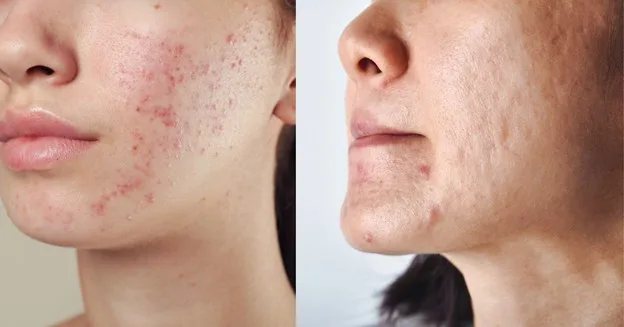
Acne is often associated with teenage years, but many adults continue to experience breakouts well into their twenties, thirties, and even forties. Adult acne is a common skin concern that can affect both men and women. It may appear as pimples, blackheads, whiteheads, inflamed spots, and painful cysts, particularly around the cheeks, chin, jawline, and forehead.
Dealing with acne as an adult can be frustrating, especially when breakouts continue despite trying different skincare products. Understanding the causes of adult acne is the first step towards choosing the right skincare routine and managing your skin more effectively.
At The Skin Care Studio Lahore, we believe that healthy-looking skin starts with understanding individual skin concerns and following suitable skincare practices. In this guide, we will explore the common causes of adult acne, its different types, and practical ways to manage breakouts.
What Is Adult Acne?
Adult acne refers to acne that develops or continues after the teenage years. It can occur in people who experienced acne during adolescence as well as individuals who never had significant breakouts before adulthood.
Adult acne develops when hair follicles become clogged with excess oil, dead skin cells, and other impurities. Bacteria naturally present on the skin can contribute to inflammation within blocked pores, resulting in different types of acne lesions.
Unlike teenage acne, adult acne frequently appears around the lower part of the face, particularly the chin and jawline. However, it can also affect the forehead, cheeks, chest, shoulders, and back.
What Causes Adult Acne?
There is no single cause of adult acne. Several factors can contribute to clogged pores, excess oil production, and inflammation. Identifying these factors can help you make better skincare decisions.
Hormonal Changes and Imbalances
Hormonal fluctuations are among the common contributors to adult acne, particularly in women. Changes in hormone levels during menstrual cycles, pregnancy, and other hormonal transitions can influence oil production in the skin.
Increased androgen activity can stimulate sebaceous glands to produce more sebum. When excess oil combines with dead skin cells, pores may become clogged and acne can develop.
Women experiencing persistent acne around the chin and jawline may notice that breakouts become more frequent during certain stages of their menstrual cycle. In some cases, ongoing hormonal acne may be associated with conditions such as polycystic ovary syndrome (PCOS), which requires medical evaluation.
Stress and Its Effect on Skin
Stress is another factor that may contribute to adult acne. During periods of stress, the body produces hormones that can influence oil gland activity and inflammatory responses.
Although stress does not directly cause every acne breakout, it may worsen existing acne in some individuals. Busy lifestyles, insufficient sleep, and ongoing stress can also affect daily skincare habits.
Maintaining a balanced routine, getting adequate sleep, and finding healthy ways to manage stress may support overall skin health.
Using the Wrong Skincare Products
Using unsuitable skincare products can contribute to clogged pores and irritation. Heavy creams, certain makeup products, and oily formulations may not be appropriate for acne-prone skin.
Some products contain ingredients that can contribute to pore congestion, while harsh cleansers and excessive exfoliation may damage the skin barrier and increase irritation.
Choosing non-comedogenic skincare products that are suitable for your skin type can help reduce unnecessary irritation and support a balanced complexion.
Diet and Lifestyle Factors
Diet may influence acne in some individuals. Research suggests that high-glycemic foods, including certain sugary drinks, sweets, and refined carbohydrates, may worsen acne in susceptible people.
Some studies have also found a possible association between acne and certain dairy products. However, dietary triggers vary, and food does not affect everyone's skin in the same way.
Maintaining a balanced diet, drinking sufficient water, and following healthy lifestyle habits can support general wellbeing. There is no need to eliminate entire food groups without a clear reason or professional advice.
Environmental Pollution and Sweat
Daily exposure to dust, pollution, humidity, and sweat can affect skin comfort and may contribute to irritation. Sweat itself does not directly cause acne, but leaving sweat, oil, and occlusive products on the skin for extended periods may contribute to breakouts.
This can be particularly relevant for people who exercise regularly or spend long hours outdoors. Gentle cleansing after sweating and using suitable skincare products can help maintain clean skin.
Certain Medications and Medical Conditions
Some medications may contribute to acne-like breakouts. Hormonal medications, corticosteroids, and certain other prescription drugs can affect the skin in different ways.
If acne develops suddenly after starting a new medication, consult your healthcare professional rather than stopping the medication independently. Persistent adult acne may also sometimes be associated with underlying hormonal or medical conditions.
Common Types of Adult Acne
Adult acne can appear in several forms, depending on the severity of clogged pores and inflammation.
Whiteheads develop when pores become blocked and remain closed at the surface of the skin. Blackheads occur when clogged pores remain open and their contents become darker through exposure to air.
Papules are small, raised, inflamed bumps that may appear red or sensitive. Pustules are similar but contain visible pus. More severe acne may involve nodules and cysts, which are deeper, painful inflammatory lesions that can increase the risk of permanent scarring.
Understanding the type of acne you experience can help determine which skincare products or professional treatments may be appropriate.
How Can You Manage Adult Acne?
Managing adult acne requires consistency and an approach that addresses your individual skin concerns. A suitable skincare routine can help reduce excess oil, remove impurities, and maintain the skin barrier.
Follow a Gentle Cleansing Routine
Wash your face twice daily with a gentle cleanser suitable for acne-prone skin. Cleansing helps remove excess oil, sweat, makeup, and impurities without unnecessarily irritating the skin.
Avoid aggressive scrubbing and harsh soaps because they may worsen inflammation and dryness. A gentle approach is generally more suitable for maintaining a healthy skin barrier.
Choose Non-Comedogenic Moisturizers
Moisturizing is important even if you have oily or acne-prone skin. A lightweight, non-comedogenic moisturizer can help maintain hydration without unnecessarily contributing to clogged pores.
Look for products that suit your skin type and avoid introducing several new products at the same time.
Consider Acne-Fighting Ingredients
Certain skincare ingredients may help manage different types of acne. Salicylic acid helps unclog pores by exfoliating inside the follicle, while benzoyl peroxide can reduce acne-causing bacteria and inflammatory lesions.
Retinoids, including adapalene, can help prevent clogged pores and improve acne over time. However, they may cause dryness and irritation when first introduced. Use them according to professional guidance, and avoid retinoids during pregnancy.
Niacinamide is another commonly used ingredient that may help support the skin barrier and improve the appearance of redness and uneven skin tone.
Never Skip Sunscreen
Sun protection is important when managing acne, particularly if you use exfoliating ingredients or acne treatments that increase skin sensitivity.
Choose a broad-spectrum, non-comedogenic sunscreen with SPF 30 or higher. Daily sunscreen use helps protect your skin from UV-related damage and may reduce the worsening of post-acne dark marks.
Avoid Picking or Squeezing Pimples
Picking, squeezing, or scratching acne lesions can increase inflammation and damage surrounding skin tissue. This may increase the risk of acne scars, dark marks, and infection.
Allow pimples to heal naturally and seek professional advice if you experience painful or persistent breakouts.
Can Professional Skincare Treatments Help with Adult Acne?
Some adults may benefit from professional skincare treatments alongside an appropriate home skincare routine. The right option depends on acne severity, skin sensitivity, medical history, and whether active acne or post-acne marks are the main concern.
At The Skin Care Studio Lahore, individuals can explore skincare and aesthetic services such as HydraFacial and selected chemical peel treatments, subject to professional assessment and suitability.
HydraFacial is a facial treatment designed to cleanse and hydrate the skin. Selected chemical peels may help improve certain concerns involving clogged pores, uneven skin tone, and superficial skin texture. However, treatment suitability varies, and some procedures may not be appropriate for active or inflamed acne.
People experiencing severe, painful, cystic, or persistent acne should consult a qualified dermatologist. Medical acne treatments may be necessary to manage deeper inflammation and reduce the risk of scarring.
How Long Does It Take to Manage Adult Acne?
Adult acne usually does not disappear overnight. The time required to see improvement depends on the underlying causes, acne severity, treatment approach, and consistency.
Some people may notice changes after several weeks of following an appropriate skincare routine, while others may require several months of treatment. Acne treatments often need consistent use before their full benefits become visible.
It is important to avoid changing products too frequently. Give suitable treatments enough time to work and seek professional advice if your acne becomes more severe or does not improve.
Frequently Asked Questions
Why am I getting acne in my thirties?
Adult acne can develop because of hormonal fluctuations, stress, excess oil production, unsuitable skincare products, and certain medications. It can affect people who never experienced significant acne during their teenage years.
Can stress cause adult acne?
Stress may worsen existing acne by influencing hormonal activity and inflammatory responses. Managing stress and maintaining healthy lifestyle habits may help support overall skin health.
Is adult acne related to hormones?
Yes, hormonal fluctuations can contribute to adult acne, particularly around the chin and jawline. Persistent hormonal acne may sometimes be associated with conditions such as PCOS.
Should I moisturize if I have acne-prone skin?
Yes. Acne-prone skin still needs hydration. A lightweight, non-comedogenic moisturizer can help maintain the skin barrier without unnecessarily clogging pores.
Can adult acne leave permanent scars?
Yes, particularly when acne is deep, inflamed, or repeatedly picked and squeezed. Early and appropriate acne management can help reduce the risk of permanent scarring.
When should I visit a dermatologist for adult acne?
You should consider consulting a dermatologist if acne is painful, persistent, severe, causing scars, or not responding to suitable over-the-counter treatments.
Final Thoughts
Adult acne can be challenging, but understanding its causes can help you make better decisions about your skincare routine. Hormonal changes, stress, unsuitable skincare products, environmental factors, and certain medications can all contribute to breakouts.
The most effective approach is to maintain a gentle cleansing routine, choose non-comedogenic products, use suitable acne-fighting ingredients, and protect your skin with daily sunscreen. Avoid squeezing pimples and seek professional guidance when breakouts become persistent or severe.
At The Skin Care Studio Lahore, we encourage individuals to understand their skin concerns and explore suitable skincare options. With the right approach, consistency, and professional guidance when needed, you can work towards healthier-looking and more balanced skin.