Why Do Acne Breakouts Keep Coming Back? Causes, Prevention & Expert Skincare Guide
Acne can be frustrating, especially when your skin starts looking clear and new pimples suddenly appear again. You may try different face washes, acne creams, serums, home remedies and skincare routines, but recurring breakouts can still become a regular problem. If you are wondering why acne breakouts keep coming back, the answer may involve several factors, including hormonal changes, excess oil production, clogged pores, bacteria, stress, genetics and unsuitable skincare products.
Recurring acne is not limited to teenagers. Adults can also experience persistent pimples, hormonal acne, blackheads, whiteheads and painful breakouts. Many people experience acne around their forehead, cheeks, chin, jawline and even the neck, chest and back.
Understanding the actual causes of recurring acne is an important step towards managing it properly. Instead of repeatedly changing skincare products, identifying your acne triggers and following a consistent skincare routine can help support healthier-looking skin.
At The Skin Care Studio Lahore, understanding individual skin concerns is an important part of exploring suitable skincare options. This educational guide explains the common causes of recurring acne, different types of breakouts, prevention methods and professional skincare options.
What Is Recurring Acne?
Recurring acne refers to pimples and other acne lesions that repeatedly develop even after previous breakouts have improved. Some people experience occasional pimples, while others struggle with continuous acne that appears in different areas of the face.
Acne develops when hair follicles become blocked with excess sebum (natural skin oil) and dead skin cells. This blockage can contribute to inflammation and the development of different types of acne lesions.
Common symptoms of recurring acne include:
Repeated pimples on the forehead and cheeks.
Small whiteheads and blackheads around the nose.
Painful pimples around the chin and jawline.
Red and inflamed acne spots.
Deep bumps beneath the skin.
Excessively oily or congested skin.
Dark marks left after acne heals.
Recurring breakouts may indicate that the underlying factors contributing to acne are still present. Treating individual pimples without addressing these factors may not provide lasting improvement.
12 Common Reasons Why Acne Breakouts Keep Coming Back
Understanding the reasons behind recurring pimples can help you make better skincare decisions.
1. Hormonal Changes and Hormonal Acne
Hormonal fluctuations are one of the common reasons why acne keeps returning, particularly in adults and women.
Androgens are hormones that can stimulate sebaceous glands to produce more oil. When oil production increases, pores may become more easily blocked, contributing to acne development.
Hormonal acne can become more noticeable during:
Menstrual cycles.
Puberty.
Pregnancy.
Perimenopause.
Menopause.
Changes in hormonal medication.
Some women experience recurring pimples around the chin, lower cheeks and jawline. However, the location of acne alone cannot confirm that it is hormonal.
If you experience persistent adult acne alongside irregular periods or other hormonal symptoms, consider discussing these concerns with a qualified healthcare professional.
Long-tail keywords: Why does hormonal acne keep coming back, recurring hormonal pimples in women, adult hormonal acne treatment, hormonal acne around the chin and jawline.
2. Excess Oil Production
Your skin naturally produces sebum to maintain hydration and protect the skin barrier. However, excessive oil production can contribute to clogged pores.
When excess oil combines with dead skin cells, it can form blockages inside hair follicles. These blockages may develop into whiteheads, blackheads and inflammatory pimples.
People with oily skin may notice:
Shiny skin throughout the day.
Frequent clogged pores.
Blackheads around the nose.
Repeated pimples on the forehead.
Makeup becoming oily quickly.
Using harsh cleansers to remove all facial oil is not a reliable solution. Over-cleansing can irritate the skin and make your skincare routine harder to maintain.
3. Using the Wrong Skincare Products
One common reason acne continues returning is the use of unsuitable skincare products.
Certain heavy creams, makeup products, sunscreens and haircare products may contribute to clogged pores in acne-prone individuals.
Look for skincare products labelled:
Non-comedogenic.
Oil-free.
Won't clog pores.
Suitable for acne-prone skin.
However, these labels do not guarantee that every product will suit every individual.
If you frequently change moisturizers, serums, cleansers and exfoliators, it may become difficult to identify which products are helping or irritating your skin.
A simple and consistent routine is generally a better starting point.
4. Stress and Recurring Breakouts
Stress does not directly cause every acne breakout, but it may worsen existing acne in some individuals.
During stressful periods, changes in hormonal activity and inflammatory responses may influence oil production and acne severity.
Common situations associated with increased stress include:
Work pressure.
Academic examinations.
Poor sleep schedules.
Emotional stress.
Busy daily routines.
If you notice that pimples appear more frequently during stressful periods, maintaining a balanced routine, adequate sleep and healthy lifestyle habits may help support your overall skin health.
5. Not Following a Consistent Skincare Routine
Another reason acne keeps coming back is inconsistent skincare.
Some people use an acne treatment for a few days, stop when their skin improves and restart it when new pimples appear.
Acne management often requires consistency. Many acne treatments need approximately six to eight weeks or longer before noticeable improvement becomes apparent.
A basic skincare routine may include:
Morning routine:
Cleanse your face using a gentle cleanser.
Apply a suitable lightweight moisturizer.
Use broad-spectrum SPF 30 or higher sunscreen.
Night routine:
Remove makeup and sunscreen.
Cleanse your skin gently.
Apply an appropriate acne treatment if recommended.
Finish with a suitable moisturizer.
The best routine depends on your skin type, sensitivity and acne severity.
6. Dead Skin Cell Buildup and Clogged Pores
Your skin naturally sheds dead skin cells. Sometimes, these cells accumulate inside hair follicles and combine with sebum, contributing to clogged pores.
This process can lead to comedonal acne, including:
Closed comedones (whiteheads).
Open comedones (blackheads).
Small skin-coloured bumps.
Congested-looking skin.
Using excessive exfoliating products or aggressive scrubs may irritate the skin rather than improve clogged pores.
Ingredients such as salicylic acid and topical retinoids are commonly used in acne management, depending on individual suitability.
7. Picking, Popping and Squeezing Pimples
Squeezing pimples may temporarily make them appear smaller, but it can increase inflammation and damage surrounding skin.
Picking acne lesions may contribute to:
Increased redness.
Prolonged healing.
Dark acne marks.
Post-inflammatory hyperpigmentation.
Permanent acne scars.
Avoid touching your face repeatedly and resist the temptation to squeeze new pimples.
If you experience deep or painful acne, professional assessment is preferable to attempting to remove lesions yourself.
8. Diet and Eating Habits
Diet may influence acne in some individuals, although the relationship is complex and varies between people.
Research suggests that high-glycemic foods may contribute to acne in some individuals. These include foods that cause relatively rapid increases in blood glucose.
Some studies have also investigated a possible association between dairy consumption and acne.
Potential dietary factors worth discussing include:
Sugary beverages.
Frequent consumption of refined carbohydrates.
High-glycemic snacks.
Certain dairy products.
This does not mean everyone with acne needs to stop eating dairy or follow a restrictive diet. A balanced eating pattern is more appropriate than eliminating entire food groups without a clear reason.
9. Poor Sleep and Lifestyle Habits
Sleep is important for general health and normal skin function.
Poor sleep may influence stress responses and inflammatory processes, potentially worsening acne in some individuals.
Helpful habits include maintaining a regular sleep schedule, drinking sufficient water, eating a balanced diet and following consistent skincare practices.
Although these habits cannot independently cure acne, they can support overall skin health.
10. Environmental Pollution, Sweat and Humidity
Environmental factors may contribute to skin irritation and acne flare-ups.
In Lahore, exposure to dust, pollution, sweating and changing weather conditions may make skincare more challenging for people with acne-prone skin.
During hot and humid weather, sweat and friction can contribute to irritation, particularly when combined with tight clothing, helmets or headwear.
Helpful practices include:
Gently cleansing after excessive sweating.
Avoiding prolonged contact with sweaty clothing.
Choosing lightweight skincare products.
Keeping hair away from the forehead.
Avoiding aggressive scrubbing after outdoor exposure.
Remember that pollution alone is not the only explanation for recurring acne.
11. Genetics and Family History
Genetics can influence your likelihood of developing acne.
If your parents or close family members experienced persistent or severe acne, you may have a higher likelihood of developing similar skin concerns.
Genetic factors can influence oil production, inflammatory responses and how your skin reacts to hormonal changes.
This means that some people may experience recurring acne despite following a careful skincare routine.
Understanding your family history can provide useful information during a professional skin assessment.
12. Certain Medications and Underlying Conditions
Some medications may contribute to acne-like breakouts or worsen existing acne.
Examples include certain corticosteroids, hormonal medications and other prescribed treatments.
Certain medical conditions, including polycystic ovary syndrome (PCOS), may also be associated with hormonal acne.
If breakouts begin after starting a new medication, speak with your prescribing healthcare professional. Do not discontinue prescribed medication without medical advice.
Persistent adult acne accompanied by irregular menstrual cycles, increased facial hair or other hormonal symptoms may warrant medical evaluation.
Different Types of Acne That May Keep Returning
Not every pimple is the same. Understanding different acne types helps explain why some breakouts are mild while others are painful and persistent.
1. Whiteheads
Whiteheads develop when pores become blocked and remain closed at the skin surface. They usually appear as small white or skin-coloured bumps.
2. Blackheads
Blackheads are open clogged pores. Their dark appearance results from changes in the material inside the pore, not simply dirt.
3. Papules
Papules are small, raised and inflamed acne lesions. They may appear red, tender or irritated.
4. Pustules
Pustules are inflamed pimples containing visible pus. They often have a white or yellow centre.
5. Nodular Acne
Nodular acne develops deeper beneath the skin. These lesions can feel firm and painful and may increase the risk of scarring.
6. Cystic Acne
Severe acne may involve deep, painful, cyst-like inflammatory lesions. These require professional medical assessment because they can cause permanent scars.
Why Does Acne Keep Coming Back in the Same Area?
The location of recurring acne can sometimes provide clues about possible contributing factors, although it cannot independently identify the cause.
Forehead acne: Hair products, excess oil, sweat and clogged pores may contribute to forehead breakouts.
Cheek acne: Skincare products, makeup, friction and contact with frequently used personal items may play a role.
Chin acne: Hormonal fluctuations may contribute to recurring pimples around the chin.
Jawline acne: Some adults experience hormonal acne around the jawline, although other causes are also possible.
Nose acne: Excess oil and clogged pores may contribute to blackheads and whiteheads around the nose.
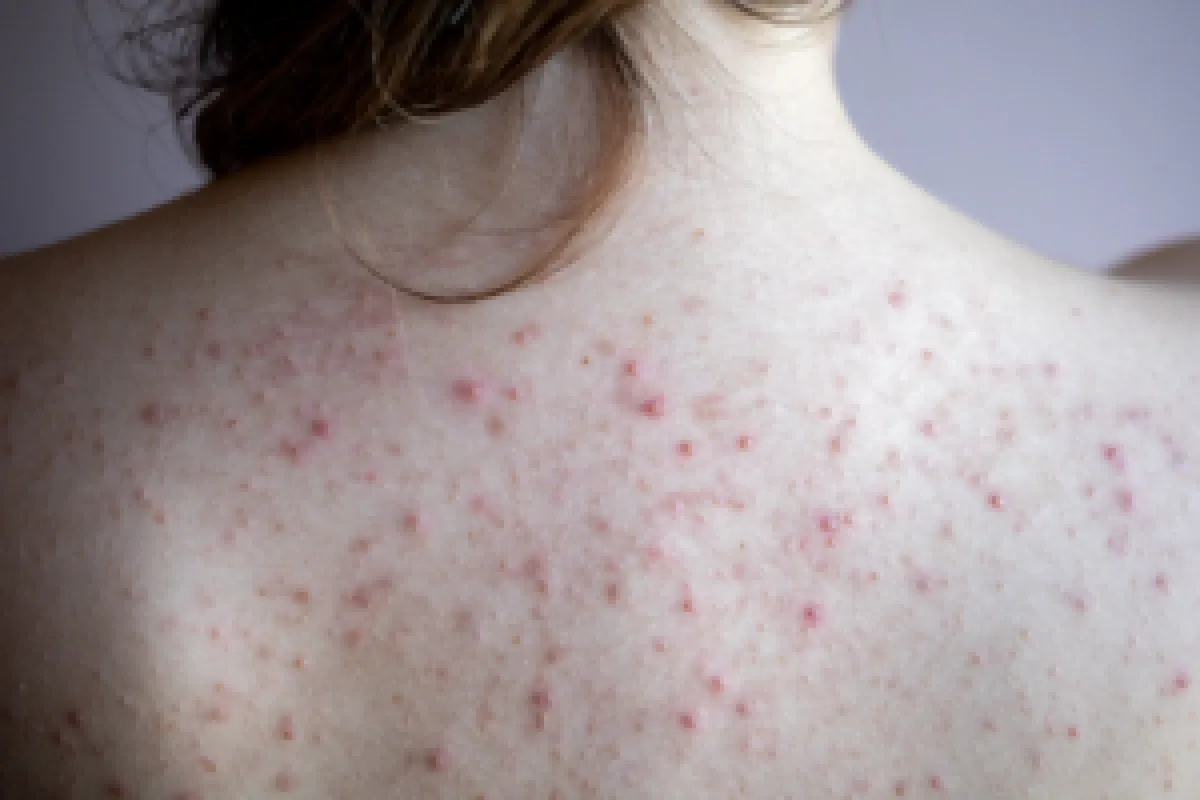
Back and shoulder acne: Sweat, friction, tight clothing and blocked hair follicles may contribute to body acne.
If acne repeatedly develops in the same area, a professional assessment can help determine whether it is acne or another skin condition.
How to Prevent Acne Breakouts from Coming Back
Although acne cannot always be completely prevented, certain skincare habits may help reduce recurring breakouts.
Build a Simple Daily Skincare Routine
Avoid using too many active ingredients simultaneously. Start with a gentle cleanser, suitable moisturizer and sunscreen.
Choose Non-Comedogenic Products
Select skincare and makeup products designed for acne-prone skin. Avoid products that repeatedly cause congestion or irritation.
Avoid Over-Exfoliation
Using too many exfoliating acids or aggressive scrubs can damage the skin barrier and increase irritation.
Keep Your Makeup Tools Clean
Wash makeup brushes and sponges regularly. Remove makeup before sleeping and avoid sharing personal skincare tools.
Manage Stress and Sleep
Try to maintain regular sleeping hours and a balanced lifestyle. These habits can support overall wellbeing.
Be Patient with Acne Treatments
Do not expect every acne product to work overnight. Give an appropriate treatment sufficient time and follow professional instructions.
Avoid Picking Pimples
Allow acne lesions to heal naturally and seek professional guidance for painful or persistent breakouts.
Which Skincare Ingredients Help Manage Recurring Acne?
Several ingredients are commonly used in acne skincare products. Their suitability depends on acne type, skin sensitivity and individual circumstances.
Salicylic Acid: Helps exfoliate inside pores and may improve the appearance of blackheads and whiteheads.
Benzoyl Peroxide: Commonly used to manage inflammatory acne by reducing acne-associated bacteria.
Niacinamide: May support the skin barrier and improve the appearance of uneven skin tone.
Azelaic Acid: May help manage certain types of acne and post-acne pigmentation.
Retinoids: Help regulate skin-cell turnover and prevent clogged pores. They may cause irritation and require appropriate guidance. Topical retinoids should generally be avoided during pregnancy and when trying to conceive unless a qualified healthcare professional advises otherwise.
Avoid combining multiple strong active ingredients without professional advice.
When Should You Seek Professional Acne Treatment?
Occasional mild pimples may improve with a suitable skincare routine. However, recurring or severe acne may require professional evaluation.
Consider consulting a qualified dermatologist if you experience:
Frequent breakouts that do not improve.
Deep or painful pimples.
Persistent acne on the face, chest or back.
Acne that leaves dark marks or scars.
Sudden adult-onset acne.
Acne accompanied by possible hormonal symptoms.
Emotional distress or reduced confidence due to acne.
A dermatologist can assess the type and severity of acne and recommend appropriate medical treatment.
Professional Acne Care at The Skin Care Studio Lahore
Managing recurring acne requires understanding the factors contributing to your breakouts. Using random skincare products or repeatedly switching treatments may not address the underlying concern.
At The Skin Care Studio, clients can explore personalized skincare guidance based on their individual skin concerns, sensitivity and treatment goals.
Depending on the condition, professional skincare options may include selected chemical peels, facials and other suitable procedures. However, cosmetic procedures are not a replacement for medical acne treatment, particularly in cases of severe, deep or inflamed acne.
A consultation can help determine whether a skincare procedure is appropriate or whether medical assessment is needed first.
If you are looking for information about acne and breakouts treatment in Johar Town Lahore, you can explore our Acne & Breakouts Treatment page.
You can also read our educational guide on Active Acne Management in Lahore.
Acne Skincare Guidance in Lahore and Nearby Areas
People searching for recurring acne treatment in Lahore may have different skin concerns, including oily skin, hormonal breakouts, clogged pores, acne marks and persistent pimples.
The Skin Care Studio is located in PIA Housing Scheme, Lahore, and is accessible to clients from nearby areas, including:
Johar Town.
PIA Housing Scheme.
Wapda Town.
Township.
Faisal Town.
Model Town.
Garden Town.
Valencia Town.
Thokar Niaz Baig.
Muslim Town.
Canal View.
NFC Housing Society.
Whether you are searching for acne skincare guidance in Johar Town, professional skincare in PIA Housing Scheme or information about recurring pimples in Lahore, understanding your skin concern is the first step towards making informed skincare decisions.
For more information, visit The Skin Care Studio or explore our Skin Specialist in Lahore page.
Clinic Address: Office 40, Block C, PIA Housing Scheme, Lahore.
Contact: 0302 0010492.
Opening Hours: Monday to Sunday, 10:00 AM–8:00 PM.
Frequently Asked Questions About Recurring Acne
1. Why do my acne breakouts keep coming back?
Acne may keep returning because of hormonal fluctuations, excess oil production, clogged pores, genetics, stress or unsuitable skincare products. Identifying the contributing factors is important for effective acne management.
2. Why do I get pimples even after using acne products?
Some acne products require several weeks to work. Others may irritate your skin or may not address the type of acne you have. A professional assessment can help identify a more suitable approach.
3. Can hormonal acne keep coming back?
Yes. Hormonal fluctuations can repeatedly stimulate oil production and contribute to recurring acne, particularly around the chin and jawline.
4. Why do I get acne on my forehead repeatedly?
Forehead breakouts may be associated with excess oil, haircare products, sweat, clogged pores and friction. Keeping hair products away from the forehead may help some individuals.
5. Does oily skin always cause acne?
No. Oily skin does not automatically mean someone will develop acne. However, excess sebum can combine with dead skin cells and contribute to clogged pores.
6. Can stress make acne worse?
Stress may worsen existing acne in some individuals by influencing hormonal and inflammatory responses. Managing stress may support overall skin health.
7. How long does it take to improve recurring acne?
Many acne treatments require six to eight weeks or longer before noticeable improvement. The actual timeline depends on acne severity, treatment type and individual skin response.
8. Can diet cause recurring pimples?
Some research suggests that high-glycemic foods and certain dairy products may influence acne in some people. However, dietary triggers vary, and restrictive diets are not necessary for everyone.
9. Should I exfoliate acne-prone skin every day?
Not necessarily. Excessive exfoliation can irritate the skin and worsen inflammation. The frequency and type of exfoliation should depend on your skin condition and product formulation.
10. Can recurring acne leave permanent scars?
Yes. Deep and inflamed acne can damage the skin and cause permanent scarring. Early and appropriate treatment may help reduce this risk.
11. Is professional acne treatment necessary?
Not everyone needs professional treatment. However, persistent, painful, widespread or scarring acne should be assessed by a qualified dermatologist.
12. Where can I get skincare guidance for acne in Lahore?
You can contact The Skin Care Studio at Office 40, Block C, PIA Housing Scheme, Lahore, to enquire about available skincare services and consultation arrangements.
Final Thoughts: Understand Why Your Acne Keeps Returning
Recurring acne can have several contributing factors, and there is no single skincare product or routine that works for everyone. Hormonal changes, genetics, excess oil, clogged pores, stress and unsuitable products can all influence repeated breakouts.
The most useful approach is to identify your possible triggers, maintain a consistent skincare routine and seek professional advice when acne becomes persistent, painful or causes scarring.
At The Skin Care Studio Lahore, we encourage an informed and personalized approach to skincare. Understanding your skin concerns can help you explore appropriate options and work towards healthier-looking skin.
Educational Disclaimer: This article is for general educational purposes only and does not replace professional medical advice, diagnosis or treatment. Acne management should be individualized, and persistent or severe acne should be assessed by a qualified dermatologist.