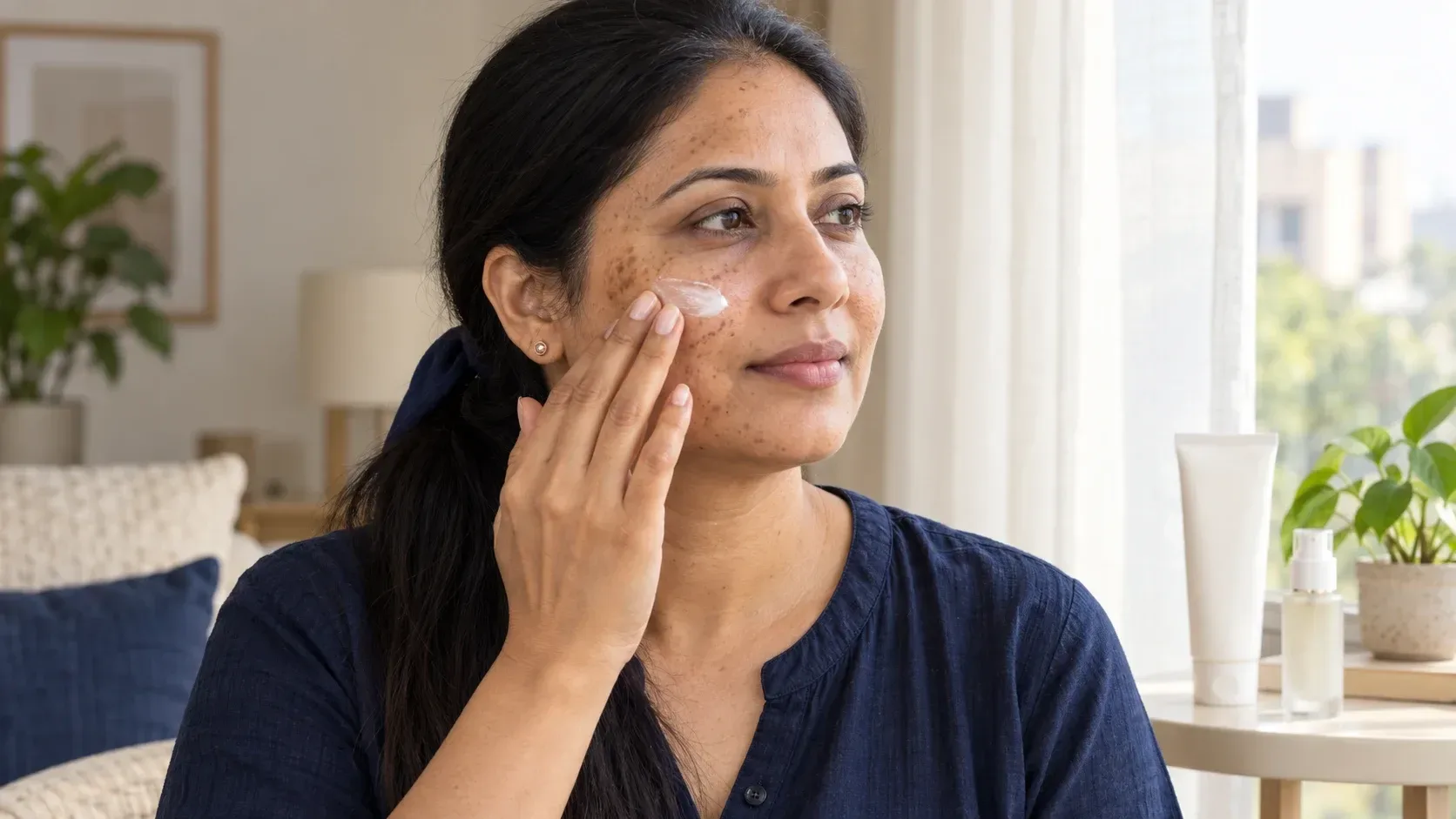
Why Does Pigmentation Get Worse in Winter? Causes, Skin Changes & Prevention Tips
Have you noticed that dark spots, uneven skin tone or facial pigmentation become more noticeable during the winter season? Many people assume that pigmentation only becomes worse during summer because of increased sunlight. However, winter can also create conditions that make existing pigmentation appear more prominent or make certain skin concerns harder to manage.
If you are wondering why pigmentation gets worse in winter, the answer may involve several factors, including dry skin, a weakened skin barrier, reduced sunscreen use, irritation from skincare products and ongoing exposure to ultraviolet (UV) and visible light.
Pigmentation is a common skin concern that affects people of different ages and skin types. It can appear as brown patches, dark spots, melasma, post-acne marks and uneven skin tone. For people with medium to darker skin tones, inflammation and irritation can also contribute to increased melanin production.
In Lahore, changing weather conditions, indoor heating, dry air and inconsistent winter skincare routines may influence how the skin looks and feels.
At The Skin Care Studio Lahore, understanding individual skin concerns is an important part of exploring suitable skincare options. This educational guide explains the causes of winter pigmentation, different types of hyperpigmentation, prevention methods and professional skincare options.
What Is Skin Pigmentation?
Skin pigmentation refers to the natural colour of your skin, which is mainly determined by a pigment called melanin. Melanin is produced by specialised cells known as melanocytes.
When these cells produce excess melanin in certain areas, darker patches or spots can develop. This condition is commonly known as hyperpigmentation.
Hyperpigmentation may develop because of several factors, including:
Excessive sun exposure.
Hormonal changes.
Acne and skin inflammation.
Skin injuries.
Irritation from skincare products.
Certain medications.
Genetic factors.
Pigmentation can appear on the face, forehead, cheeks, upper lip, nose, neck and other exposed areas of the body.
Although pigmentation is not always harmful, persistent or changing skin discoloration should be assessed by a qualified dermatologist.
Why Does Pigmentation Get Worse in Winter?
An important distinction is that pigmentation does not necessarily worsen during winter for everyone. Melasma often becomes more noticeable during summer and may improve during winter because sunlight exposure is generally lower.
However, some people notice darker spots or more uneven-looking skin during colder months. This may be related to dryness, irritation, inadequate sun protection or pigmentation that was already developing.
Let's understand the major reasons.
1. Dry Skin Can Make Pigmentation More Noticeable
One of the common winter skin concerns is dryness.
Cold outdoor air and dry indoor environments can increase moisture loss from the skin. When the skin becomes dry, rough or flaky, its surface may look less smooth and uneven skin tone can become more noticeable.
Dryness does not automatically cause excess melanin production, but it can affect the overall appearance of existing dark spots.
People with dry or sensitive skin may experience:
Rough facial texture.
Flaky skin around the cheeks.
Tightness after cleansing.
Increased skin sensitivity.
Irritation from skincare products.
More noticeable uneven skin tone.
Using an appropriate moisturiser can help maintain skin hydration and support the natural skin barrier.
2. Reduced Sunscreen Use During Winter
Another important reason is the misconception that sunscreen is unnecessary during winter.
Many people stop using sunscreen when temperatures become colder or when sunlight appears less intense.
However, UVA rays can reach your skin throughout the year, including during cloudy weather. UV exposure can contribute to existing pigmentation becoming darker and may trigger new pigmentation.
People with melasma and hyperpigmentation should maintain consistent sun protection even during winter.
Consider using:
Broad-spectrum SPF 30 or higher sunscreen.
A suitable moisturiser.
Protective clothing.
A wide-brimmed hat when outdoors.
Tinted sunscreen containing iron oxides when appropriate for pigmentation concerns.
Consistent sun protection is particularly important for people experiencing melasma, dark spots and post-inflammatory hyperpigmentation.
3. A Weakened Skin Barrier Can Increase Irritation
Your skin barrier helps protect the skin from external irritants and prevents excessive moisture loss.
During winter, cold air, indoor heating, harsh cleansers and frequent exfoliation may contribute to dryness and barrier disruption.
When the skin barrier becomes irritated, it may develop redness, itching, burning or inflammation.
In some individuals, inflammation can trigger post-inflammatory hyperpigmentation (PIH), particularly in medium and darker skin tones.
Signs of a compromised skin barrier may include:
Redness and irritation.
Burning after applying skincare products.
Dry patches.
Increased sensitivity.
Rough skin texture.
Flaking around the nose and mouth.
Maintaining a gentle skincare routine can help reduce unnecessary irritation.
4. Hot Showers and Excessive Face Washing
Hot showers may feel relaxing during cold weather, but excessively hot water can remove natural oils from the skin.
Frequent washing with harsh cleansers can also increase dryness and irritation.
For people with pigmentation-prone skin, repeated irritation may contribute to inflammation and potentially worsen dark marks.
Helpful practices include:
Use lukewarm water instead of very hot water.
Choose a gentle facial cleanser.
Avoid excessive face washing.
Pat the face dry instead of rubbing.
Apply moisturiser after cleansing.
A gentle skincare routine is particularly helpful during winter when the skin may already be experiencing moisture loss.
5. Overusing Exfoliating Products
Some people use multiple exfoliating products to remove dead skin cells and improve the appearance of dark spots.
However, using too many active ingredients can irritate the skin.
Common exfoliating and treatment ingredients include:
Glycolic acid.
Lactic acid.
Salicylic acid.
Retinoids.
Other exfoliating formulations.
These ingredients can be useful in appropriate skincare routines, but excessive use may cause redness, peeling and irritation.
In pigmentation-prone skin, inflammation can trigger additional dark spots.
Avoid combining several strong active ingredients without understanding their suitability for your skin type.
6. Existing Melasma May Remain Visible During Winter
Melasma is a common pigmentation condition that appears as brown or greyish patches, usually on the cheeks, forehead, nose and upper lip.
It is associated with several contributing factors, including:
Sun exposure.
Hormonal changes.
Pregnancy.
Certain medications.
Genetic susceptibility.
Melasma is often more noticeable during summer and may improve during winter. However, it does not necessarily disappear completely when the weather becomes colder.
Some people continue experiencing visible patches throughout the year because the underlying pigmentation remains active.
If you have melasma on your face, maintaining sun protection and following an appropriate treatment plan remain important during winter.
7. Hormonal Changes Can Influence Pigmentation
Hormonal fluctuations may contribute to certain pigmentation conditions, particularly melasma.
Pregnancy, hormonal medications and other hormonal changes can influence melanin production.
Melasma commonly appears as symmetrical brown patches on the cheeks, forehead and upper lip.
Although winter skincare can help maintain skin comfort, seasonal skincare changes alone cannot address all hormonal pigmentation concerns.
Persistent or changing pigmentation should be assessed by a qualified healthcare professional.
8. Acne Marks and Post-Inflammatory Hyperpigmentation
Dark spots left behind after acne are another common reason people notice uneven skin tone.
When acne lesions heal, inflammation can stimulate excess melanin production in the affected areas.
This process is called post-inflammatory hyperpigmentation (PIH).
PIH may appear as:
Brown spots after pimples.
Dark marks on the cheeks.
Uneven skin tone around the jawline.
Dark patches after skin irritation.
Marks left behind after inflammatory skin conditions.
These marks may take several months or longer to fade, depending on their depth and the individual's skin.
Winter dryness and irritation may make the skin look uneven, but the original acne inflammation is often the main reason behind the pigmentation.
9. Indoor Heating and Dry Environmental Conditions
Winter does not only affect your skin outdoors. Indoor environments can also influence skin hydration.
Heating systems may reduce indoor humidity, contributing to moisture loss and dry skin.
When the skin becomes dehydrated, its texture may appear rough and existing pigmentation can become more noticeable.
Helpful winter skincare practices include:
Using a suitable moisturiser.
Avoiding excessively hot indoor environments.
Maintaining a gentle cleansing routine.
Drinking sufficient water.
Avoiding unnecessary exfoliation.
These measures support skin comfort but do not independently remove pigmentation.
10. Incorrect Use of Skin-Lightening Products
Another reason pigmentation may become worse is the inappropriate use of skin-lightening products.
Some unregulated creams may contain undeclared corticosteroids, mercury or other potentially harmful ingredients.
Using unsuitable products may cause skin irritation, thinning or other complications.
Avoid products that promise instant whitening or guaranteed permanent pigmentation removal.
Instead, select products with known ingredients and seek professional advice before starting stronger pigmentation treatments.
Different Types of Pigmentation That May Become More Noticeable in Winter
Understanding the type of pigmentation is important because different conditions may require different approaches.
1. Melasma
Melasma appears as brown or greyish patches, commonly on the cheeks, forehead, nose and upper lip.
It is associated with sun exposure, hormonal changes and genetic factors.
Keywords: Melasma treatment, facial melasma, hormonal pigmentation, melasma on cheeks.
2. Post-Inflammatory Hyperpigmentation
PIH develops after inflammation or injury, including acne, eczema, burns and certain skin procedures.
It is particularly common in people with medium to darker skin tones.
Keywords: Acne dark spots, post-acne pigmentation, PIH treatment, dark marks after pimples.
3. Sun-Induced Pigmentation
Repeated sun exposure can contribute to freckles, sun spots and other forms of pigmentation.
These marks may appear on the face, hands, neck and other exposed areas.
Keywords: Sun spots on face, sun damage pigmentation, dark spots from sunlight.
4. Freckles
Freckles are small, flat brown spots that are influenced by genetics and sunlight exposure.
They may become more noticeable after sun exposure and less noticeable during periods of reduced sunlight.
Keywords: Facial freckles, brown spots on cheeks, freckles treatment.
5. Age Spots
Age spots, also known as solar lentigines, are flat brown areas commonly associated with cumulative sun exposure.
They frequently appear on the face, hands and other sun-exposed areas.
Keywords: Age spots on face, brown pigmentation on hands, sun-induced dark spots.
How to Prevent Pigmentation During Winter
Preventing additional pigmentation requires a consistent skincare routine and attention to factors that may irritate your skin.
1. Apply Sunscreen Every Day
Do not stop using sunscreen during winter.
Choose a broad-spectrum sunscreen with SPF 30 or higher. Apply it to exposed skin and reapply approximately every two hours when outdoors, or sooner after sweating or washing.
For melasma and pigmentation concerns, a tinted sunscreen containing iron oxides may offer additional protection against visible light.
2. Use a Moisturiser Suitable for Your Skin Type
A good moisturiser helps maintain hydration and supports the skin barrier.
Look for suitable formulations containing ingredients such as:
Hyaluronic acid.
Ceramides.
Glycerin.
Squalane.
Petrolatum.
People with oily skin may prefer lightweight gel or lotion formulations, while people with dry skin may benefit from richer creams.
3. Avoid Harsh Skincare Products
Avoid aggressive scrubs, excessive exfoliation and products that repeatedly cause burning or stinging.
If a product irritates your skin, discontinue it and seek professional guidance if symptoms persist.
4. Introduce Pigmentation Ingredients Carefully
Some ingredients commonly used for uneven skin tone include:
Vitamin C: An antioxidant ingredient that may help improve the appearance of dark spots.
Azelaic Acid: Can help manage certain forms of acne and post-inflammatory pigmentation.
Niacinamide: May support the skin barrier and improve the appearance of uneven skin tone.
Kojic Acid: Used in some formulations designed to improve the appearance of dark spots.
Retinoids: May help improve skin texture and certain pigmentation concerns, but can cause irritation and require careful use.
Not every ingredient is suitable for everyone. Retinoids should generally be avoided during pregnancy unless specifically advised by a qualified healthcare professional.
5. Maintain a Consistent Winter Skincare Routine
Morning routine:
Cleanse using a gentle face wash.
Apply a suitable antioxidant serum if appropriate.
Use a moisturiser.
Apply broad-spectrum SPF 30 or higher sunscreen.
Night routine:
Remove makeup and sunscreen.
Cleanse gently.
Apply an appropriate pigmentation treatment if recommended.
Finish with a moisturiser.
Consistency is more important than using numerous skincare products.
Which Professional Treatments May Help with Facial Pigmentation?
Persistent pigmentation may require professional evaluation to identify the underlying condition.
Depending on the type, severity and depth of pigmentation, a qualified dermatologist may recommend different treatment options.
1. Chemical Peels
Chemical peels use selected chemical solutions to exfoliate the skin.
Depending on the formulation and suitability, they may help improve certain forms of uneven skin tone, superficial pigmentation and post-acne marks.
However, inappropriate peel selection or excessive treatment intensity can cause irritation and potentially worsen pigmentation.
2. HydraFacial
HydraFacial is a professional skin treatment involving cleansing, exfoliation, extraction and hydration.
It may help improve the appearance of dullness and skin texture. It is not a definitive treatment for deeper melasma or all types of hyperpigmentation.
3. Microdermabrasion
Microdermabrasion is a mechanical exfoliation procedure that removes some superficial dead skin cells.
It may improve skin texture in selected individuals, but it is not suitable for every pigmentation condition. Aggressive treatment can cause irritation.
4. Dermatologist-Guided Pigmentation Treatment
A dermatologist may recommend prescription treatments or carefully selected topical ingredients based on the type of pigmentation.
Treatment selection may depend on:
Pigmentation depth.
Skin tone.
Skin sensitivity.
Medical history.
Hormonal factors.
Previous skincare treatments.
Professional evaluation is particularly important for melasma and pigmentation that repeatedly returns.
Winter Pigmentation and Skincare in Lahore
People living in Lahore experience changing seasonal conditions, including dry winter air, outdoor pollution and continued sunlight exposure.
These environmental factors may influence skin hydration and the appearance of existing pigmentation.
If you are searching for pigmentation treatment in Lahore, it is important to understand whether your concern is melasma, sun spots, acne pigmentation or another skin condition.
At The Skin Care Studio Lahore, clients can explore professional skincare services based on their skin concerns and treatment goals.
The studio serves clients from:
Johar Town.
PIA Housing Scheme.
Wapda Town.
Township.
Faisal Town.
Model Town.
Garden Town.
Valencia Town.
Thokar Niaz Baig.
Muslim Town.
Canal View.
NFC Housing Society.
DHA Lahore.
Gulberg Lahore.
Whether you are searching for facial pigmentation care in Johar Town, skincare guidance in PIA Housing Scheme or information about hyperpigmentation treatment in Lahore, understanding the cause of your skin discoloration is an important first step.
Explore our Best Dermatology Clinic in Lahore page for more information about the studio and its skincare services.
You can also visit our Skin Specialist in Lahore page.
Clinic Address: 40-C, Commercial, Block C, PIA Housing Society, Lahore, 54000.
When Should You Consult a Skin Specialist?
Not every dark spot requires a cosmetic procedure. However, professional assessment is recommended if:
Pigmentation continues spreading.
Dark patches repeatedly return.
Melasma becomes more noticeable.
Dark spots develop after acne or inflammation.
Skincare products cause persistent irritation.
Pigmentation does not improve with appropriate skincare.
A spot changes in size, shape or colour, bleeds or develops other unusual features.
A dermatologist can determine whether the discoloration is melasma, post-inflammatory hyperpigmentation, sun damage or another skin condition.
Early assessment can help avoid unsuitable treatments and unnecessary skin irritation.
Frequently Asked Questions About Winter Pigmentation
1. Why does pigmentation look darker in winter?
Pigmentation does not necessarily become biologically darker in winter. However, dry skin, irritation, a disrupted skin barrier and inconsistent skincare can make existing dark spots and uneven skin tone appear more noticeable.
2. Can cold weather cause facial pigmentation?
Cold weather itself is not a direct cause of excess melanin production. However, winter dryness and skin irritation may contribute to inflammation, which can trigger pigmentation in susceptible individuals.
3. Does melasma improve during winter?
Melasma often becomes less noticeable during winter because sunlight exposure may decrease. However, it can remain visible throughout the year and may return or darken with continued sun exposure.
4. Should I use sunscreen during winter?
Yes. UVA exposure continues throughout the year. Using broad-spectrum SPF 30 or higher sunscreen helps protect against sun-related pigmentation.
5. Can dry skin make dark spots worse?
Dryness does not necessarily increase melanin production, but flaky and irritated skin may make uneven pigmentation more noticeable. Maintaining skin hydration can improve the appearance of the skin.
6. Which skincare ingredients help with pigmentation?
Ingredients such as vitamin C, azelaic acid, niacinamide, kojic acid and certain retinoids may help improve specific pigmentation concerns. The right ingredient depends on the cause and sensitivity of your skin.
7. Can acne marks become darker during winter?
Acne marks may remain visible during winter. Skin irritation and inflammation can contribute to post-inflammatory hyperpigmentation, particularly if the skin barrier is damaged.
8. Is chemical peeling suitable for winter pigmentation?
Some chemical peels may help improve selected superficial pigmentation concerns. However, treatment suitability depends on skin type, pigmentation depth and sensitivity. A professional assessment should come first.
9. How long does pigmentation take to fade?
The timeline varies. Some superficial dark spots may fade over several months, while deeper pigmentation and melasma can take considerably longer and may require ongoing management.
10. Can pigmentation return after treatment?
Yes. Melasma and other pigmentation conditions may return, especially when contributing factors such as sunlight exposure, hormonal changes or skin irritation remain present. Ongoing sun protection is important.
11. Is winter a good time for pigmentation treatment?
Some people may find winter convenient for certain professional skin treatments. However, winter does not automatically make every procedure safer or more effective. Treatment should be selected according to the individual's skin condition.
12. Where can I get professional pigmentation skincare guidance in Lahore?
You can contact The Skin Care Studio, located at 40-C, Commercial, Block C, PIA Housing Society, Lahore, to enquire about available skincare services and consultation arrangements.
Final Thoughts: Maintain Healthy Skin Throughout Winter
Winter pigmentation is influenced by several factors, and dry weather is not necessarily the direct cause of increased melanin production. Reduced sunscreen use, existing melasma, skin irritation and post-inflammatory pigmentation can all contribute to uneven-looking skin.
The best approach is to understand your pigmentation type, maintain a gentle skincare routine, protect your skin from sunlight throughout the year and seek professional advice when dark spots persist or change.
At The Skin Care Studio Lahore, we encourage an informed and personalized approach to skincare. Understanding your skin concerns can help you explore suitable options for maintaining healthier-looking, more even-toned skin throughout every season.
Educational Disclaimer: This article is intended for general educational purposes and does not replace professional medical advice, diagnosis or treatment. Pigmentation treatment should be selected according to individual skin conditions and assessed by a qualified healthcare professional.